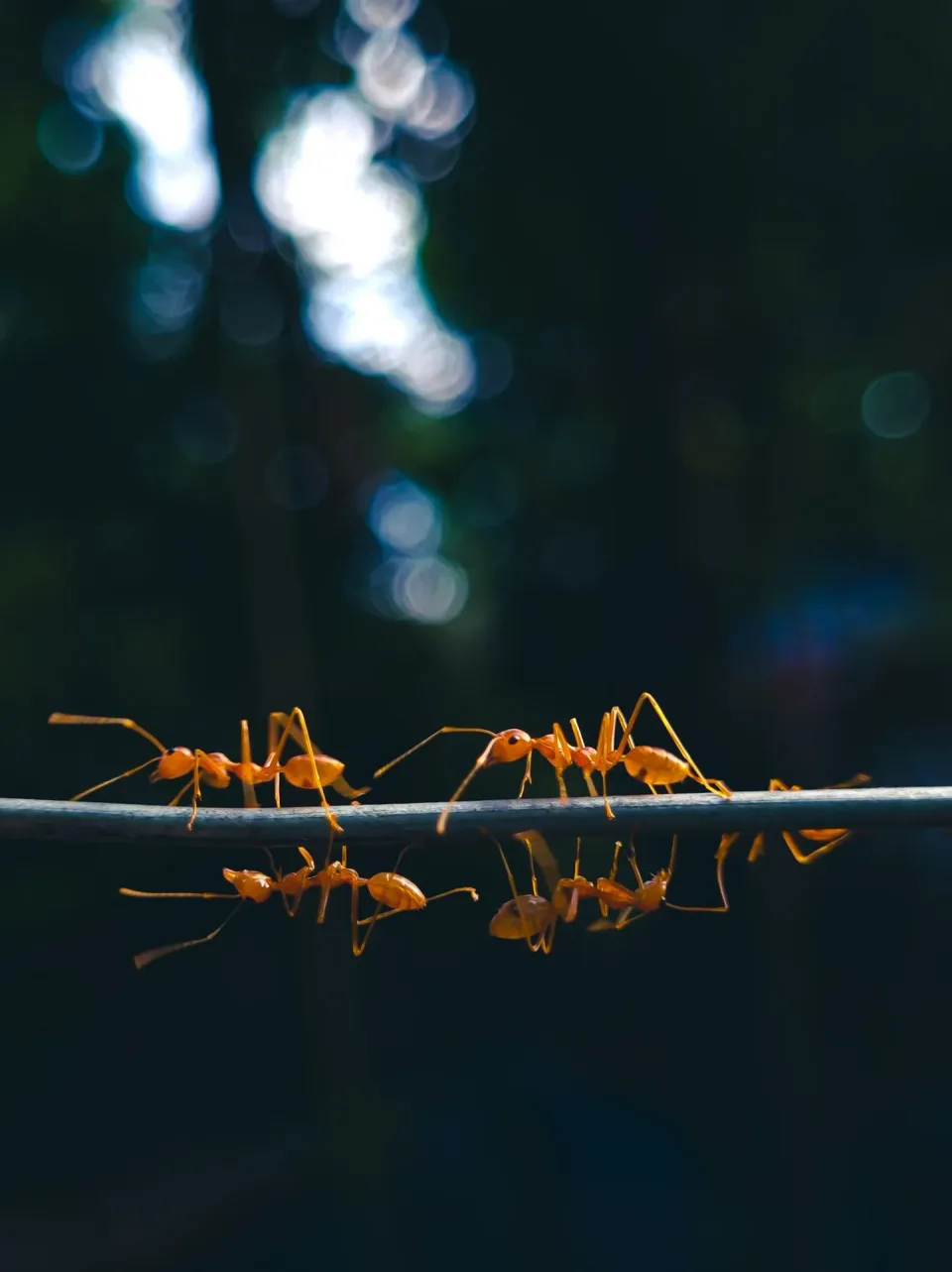
Why Do Ants Keep Crossing Utah Kitchen Counters?
Ants keep crossing a kitchen counter when they can still follow a route to food, water, or shelter. Wiping away the visible line may remove the ants you see without addressing the source or the opening they use to enter. Check for crumbs, sticky residue, pet food, and small gaps near windows, plumbing, or trim.
Northern Utah’s freeze-thaw cycles can open and close exterior seams, so inspect those edges as temperatures shift. Along U.S.
Route 89, Utah homes experience varied local conditions; a careful check of the entry point matters more than guessing from the trail alone. Near the University of Utah, Salt Lake City, keep a simple sighting note: where the line begins, when it appears, and what it reaches. Start with observation.
What keeps an ant trail active?
Ants on a counter usually signal a route worth investigating, not simply a need to clean more often. Follow the line in both directions, then check seams around the backsplash, window frames, and pipes under the sink.
A gap can be easy to miss behind an appliance. Wipe the trail with soapy water and remove exposed food, but watch whether ants return from the same edge.
In Salt Lake City, a home near the Utah State Capitol may have different construction and landscaping from another property; inspect the actual route rather than assuming every kitchen has the same entry. Low indoor moisture and accessible water sources can both shape where ants forage, so check for drips as well as crumbs.
Could weather push ants indoors?
Yes, weather can change where ants search for food and shelter. Flash flooding can displace ants and rodents, so a sudden trail after heavy rain may reflect activity shifting around the property.
Check the foundation and nearby door or window edges after storms, and note any fresh gaps or disturbed soil. Southern Utah generally has milder winters, but seasonal differences do not remove the need to identify the exact route inside a home.
A quick inspection around the sink, pantry, and exterior threshold can reveal a more useful clue than repeated surface spraying. Utah Transit Authority Central Station is a useful Salt Lake City reference point, but the remedy for a home still depends on its own entry and food sources.
When should you DIY or call a pro?
For a few ants with an obvious food spill, clean the surface, seal food, and monitor the route. If the trail returns after sanitation, appears in several rooms, or seems to emerge from a wall void, stop applying random products and arrange an inspection.
At Hogle Zoo in Salt Lake City, visitors see how animal habitats depend on specific conditions; inside a house, identifying harborage and the ant’s path likewise helps avoid treating the wrong place. We inspect activity and entry points before recommending a treatment.
Our ant extermination service is an option when repeated trails persist despite sensible cleanup. One practical failure we see is spraying directly across a trail without finding where it enters.
How does targeted ant treatment work?
A useful plan starts with inspection and identification, then matches treatment to the route and conditions found. Depending on the situation, that may mean bait placement, a crack-and-crevice application, or a perimeter treatment not automatically spraying every counter or floor.
Follow product-label directions, including any reentry instructions, and keep treated areas clear as directed. We explain the findings and the plan before work begins, then recommend monitoring so you can report whether activity changes.
A customer who wants to read about label directions can review our guide to FIFRA and pesticide labels. For other household pest questions, browse the Utah Pest Pros Blog.
Which Ant Treatment Fits a Kitchen Counter Trail?
The best approach depends on whether ants are following an indoor route, entering from outside, or returning after cleanup. A treatment should address the observed problem, not a guess.
| Option | Best for | Key detail |
|---|---|---|
| Cleanup and monitoring | A short-lived trail with an obvious spill | Remove food residue, then watch the same route for renewed activity. |
| Ant baiting | Ants repeatedly following a route | Baits target foraging ants; placement should follow the identified trail and product directions. |
| Perimeter treatment | A verified exterior approach | Match the application to the entry area and label instructions rather than spraying kitchen surfaces. |
| Professional inspection | Repeated or hard-to-trace activity | Inspection can check hidden entry points and help identify where activity begins. |
For homes around Utah Lake State Park in Provo, local property conditions still matter; the same is true near Brigham Young University, where each kitchen needs its own inspection. Interstate 15 connects communities across Utah, but it does not determine a home’s treatment. Ask what the technician found and why the proposed option fits.
Prepare for an Ant Inspection Without Guesswork
A little preparation helps an inspection focus on the trail rather than a cleaned-up mystery. Spring warming can increase ant and wasp activity, so note when kitchen sightings begin and whether they change through the day. Keep pets away from work areas and ask about pet-safe ant treatment options appropriate to the product and application; no treatment should be assumed safe without label guidance.
-
Record the route: Note the counter, wall edge, or cabinet where ants appear and take a photo before cleaning.
-
Remove accessible food: Seal open packages and clear crumbs so the source is easier to assess.
-
Clear the work area: Move dishes and small appliances away from the suspected trail.
-
Secure pets: Keep pets out of the treatment area as directed by the technician and label.
-
Share past treatments: Tell the technician what products were used and where they were applied.
-
Follow directions: Observe any product-specific restrictions and reentry instructions after service.
-
Track activity afterward: Record whether the same trail returns and share that information at follow-up.
If you are near Bear Lake State Park, seasonal conditions differ from those by Bridal Veil Falls in Provo Canyon; report what you see at your own home rather than relying on a regional assumption.
Ready to Stop Ants Crossing Your Utah Counter?
A recurring counter trail is a reason to trace the route, remove accessible food, and check for the entry point not to keep spraying without a plan. After snowmelt, exposed rodent burrows and entry points may become easier to notice around a property, another reason to inspect exterior edges as seasons change.
Summer monsoon storms can bring localized heavy rain, which may alter outdoor pest activity; check for new trails after a storm rather than assuming yesterday’s route is unchanged. Antelope Island State Park and Arches National Park are familiar Utah destinations, but conditions at your own home should guide the inspection.
If ants keep returning, contact Utah Pest Pros about ant extermination for a clear inspection and treatment plan.