Could a Leak Be Feeding Sink Cockroaches?
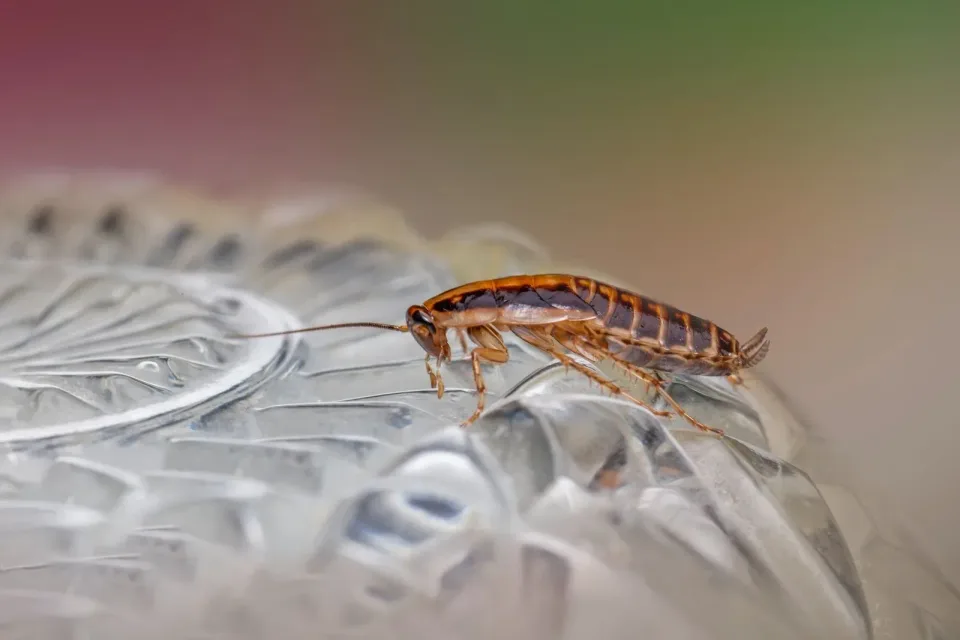
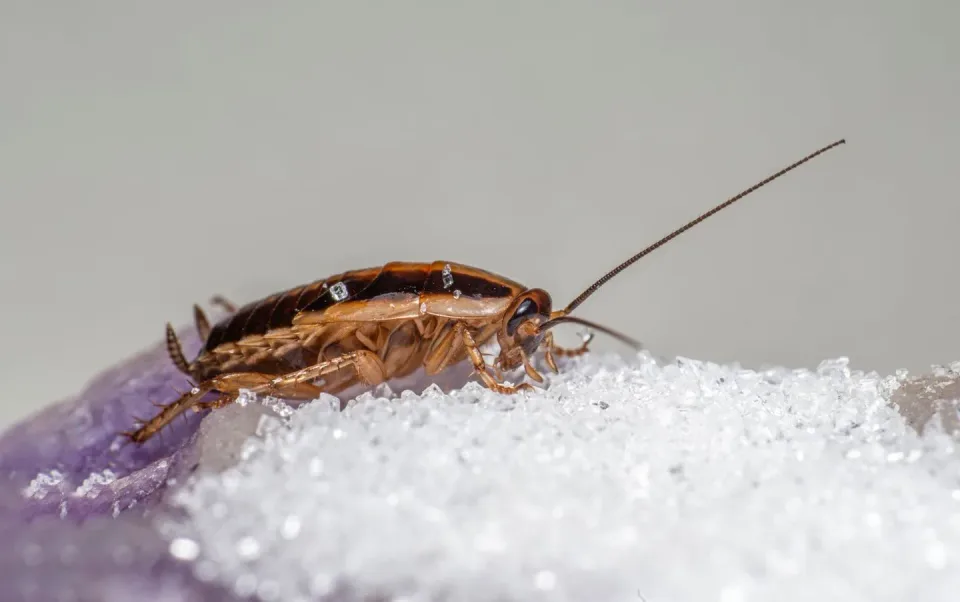
Cockroaches appearing beneath the kitchen sink may be finding moisture from a slow leak, but a damp cabinet alone does not prove the source. Dry the area, check pipe connections and the cabinet floor, and note where insects appear before choosing a treatment. Small clues matter.
Brigham Young University in Provo is a useful local reference for homeowners comparing conditions across Utah; wherever you live, inspect the plumbing directly rather than assuming a campus or city’s pest pattern applies to your home. Bryce Canyon National Park reminds visitors how dry Utah can be, which makes an indoor water source worth checking when roaches persist.
Near Canyonlands National Park, wide open terrain is no substitute for a dry sink cabinet indoors. If the cabinet stays damp or sightings continue, ask Utah Pest Pros to inspect the harborage and identify the pest before treatment.
Is the sink leak the only thing attracting roaches?
A wet cabinet can provide water and shelter, but cockroaches may also hide around pipe openings, cabinet seams, stored bags, or gaps behind the sink. A small drip can keep particleboard swollen and damp long after the visible puddle is wiped away. Fixing the plumbing is important; it does not, by itself, confirm that the insects are gone.
In Utah, summer monsoon storms can bring localized heavy rain, so check for moisture around nearby exterior walls as well as under the basin. Rain-related dampness may reveal a separate entry or harborage issue. We inspect the cabinet, plumbing penetrations, and adjacent cracks, then match the treatment to the identified pest rather than spraying every surface.
What should you inspect beneath the kitchen sink?
Remove stored items and use a flashlight to examine shutoff valves, the drain trap, supply lines, and the cabinet’s back corners. Look for fresh moisture, staining, soft wood, shed skins, droppings, or insects at night. Dry the cabinet and place a clean paper towel beneath suspect connections; a new wet mark helps pinpoint a leak.
Salt Lake City International Airport is a familiar local landmark, but travel or proximity to busy places does not establish where a household infestation began. Focus on evidence inside the home.
Higher-elevation areas receive heavier snowfall, and seasonal melt can leave exterior conditions worth checking around the foundation; keep that separate from an under-sink plumbing diagnosis. If the cabinet remains wet, contact a plumber for the leak and arrange pest identification if roaches continue.
When should you call a professional instead of DIY?
If you find one insect and a clearly leaking fitting, dry the cabinet, arrange the repair, and monitor for further activity. Avoid foggers or broad sprays in a food-storage area; they can miss hidden harborage and may conflict with later bait placement. Read product directions before using any pesticide.
Call for an inspection if sightings recur after the repair, you see roaches in more than one room, or the cabinet contains signs of ongoing activity. At Hogle Zoo in Salt Lake City, animal care depends on identifying the animal before deciding what action fits; the same basic discipline helps us select a pest treatment. Utah Pest Pros checks activity and access points, explains the findings, and follows the product label for application and reentry.
How does rain change the inspection?
A wet cabinet after a storm may still point to a plumbing leak, so compare the timing and location rather than assuming the weather caused it. Summer monsoon rain can expose moisture problems around a building, but the sink fittings need their own close check. One wet spot can have two causes.
At Bridal Veil Falls in Provo Canyon, water is obvious; beneath a sink, a slow leak may leave only a stain or a damp seam. Note whether moisture returns after using the faucet or dishwasher, and tell the inspector which rooms have shown roach activity.
Choose a Leak Check Before a Roach Treatment
The right first move depends on whether you have a plumbing leak, insect activity, or both; compare the options before applying anything.
| Option | Best for | Key detail |
|---|---|---|
| Plumbing repair | Dripping supply line or drain | Stops the water source; confirm the cabinet dries afterward |
| Homeowner check | One sighting and visible dampness | Inspect fittings, dry the floor, and track new moisture |
| Cockroach gel bait and crack treatment | Repeated sightings or hidden activity | Targets roaches in specific harborages; placement depends on inspection |
| Professional inspection | Persistent signs or uncertain pest identity | Checks concealed activity; DIY checks usually cover visible areas |
Along U.S. Route 89, homes experience varied local conditions, so the same inspection sequence should begin with the actual cabinet evidence.
Interstate 15 helps connect communities, but it does not explain a particular infestation; look for moisture and insect signs at home. Near the Jordan River Parkway, homeowners may notice localized damp ground, yet a kitchen leak still needs a direct plumbing check.
Northern Utah’s freeze-thaw cycles can complicate exterior moisture observations, so record when and where dampness appears.
How Do You Prepare for Sink Cockroach Treatment?
You notice roaches after finding a damp cabinet. First address the leak, then prepare the area so an inspection can distinguish moisture damage from insect activity. Irrigated landscaping can also leave localized moisture near foundations, so note exterior wet areas if they are close to the kitchen.
-
Record sightings: Note dates, locations, and whether roaches appear after dark.
-
Clear the cabinet: Remove stored items, dishes, food, and pet bowls before interior treatment.
-
Secure pets: Keep animals away during the technician’s work and any labeled restricted interval.
-
Share repair details: Tell the technician whether a plumber found or fixed a leak and disclose recent pesticide use.
-
Follow directions: Keep people away for the product’s labeled reentry period and ask what follow-up is recommended.
At Sundance Mountain Resort, changing outdoor conditions are part of planning a visit; windstorms can damage screens and exterior seals at homes, too, so mention visible gaps during inspection.
Get Help With Persistent Sink Cockroaches
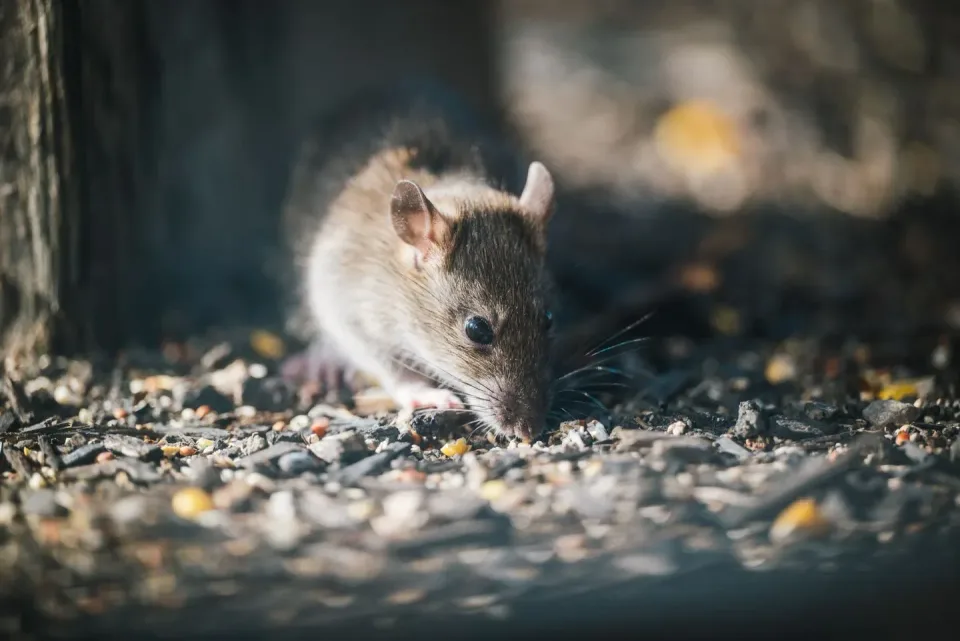
A damp sink cabinet deserves two checks: repair the water source and determine whether cockroaches are still using the space. If the cabinet dries but sightings continue, the leak was not the whole problem. Cold winters drive rodents into buildings, so a broader inspection can also note other entry concerns without confusing them with the roach evidence.
Bear Lake State Park, Capitol Reef National Park, and Dead Horse Point State Park are reminders of Utah’s varied settings; homes across the state still need a treatment plan based on conditions inside the property. In desert areas, wide day-to-night temperature swings make moisture observations worth recording carefully. For persistent roaches, contact Utah Pest Pros at (855) 681-0299 or request Cockroach Extermination.