What Could Be Scratching Above Your Bedroom Ceiling?
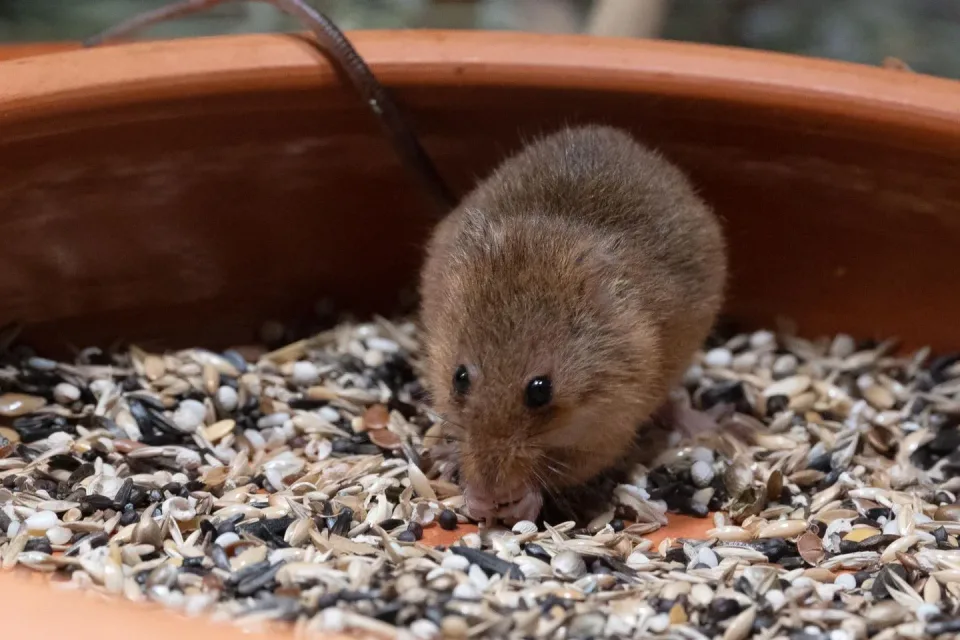
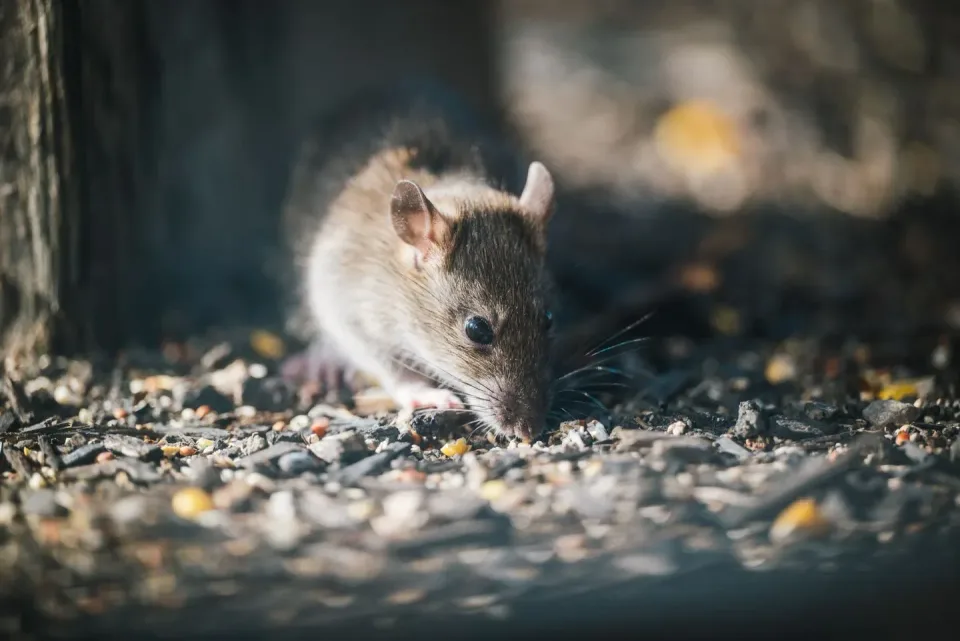
Scratching above a bedroom ceiling can come from mice or rats, but the sound alone cannot identify the animal. Listen for when it happens, then look for droppings, gnaw marks, or a visible entry gap without opening the ceiling. A Utah inspection should trace activity before anyone places traps or applies a product.
One caller who owned an apartment building and reported bed bugs was really asking for an estimate and an on-site assessment; a visit can clarify the scope before treatment is planned. Another caller wanted someone to spray for bed bugs, but asking for a specific treatment before identifying the pest can lead to the wrong work.
Even near Four Corners Monument, the useful first step is confirming what is present. Tell the technician which room is affected and when the noise occurs.
What does ceiling scratching usually mean?
Scratching sounds above a bedroom ceiling often point to an animal moving through an attic, ceiling void, or roof edge, but branches, loose materials, and other wildlife can also make noise. Pay attention to whether the sound is light and quick or heavier, and whether it follows a regular route. Don’t guess from sound alone.
Look for droppings, chewed materials, nesting debris, or greasy marks near a suspected route. Avoid reaching into an enclosed space or disturbing debris before the animal is identified.
In our field work, a commonly missed step is checking the exterior entry route as well as the noisy room; trapping without addressing access can leave the problem unresolved. If you also find droppings in a cabinet, our guide to mouse droppings in kitchen cabinets explains what to check indoors.
Why can Utah weather change the signs?
Don’t assume a ceiling sound means a nest is directly overhead; an animal may be moving toward water or shelter elsewhere in the structure.
Flash flooding can displace ants and rodents, which may shift activity around buildings after heavy local rain. Higher-elevation areas receive heavier snowfall, and homeowners there should inspect roof edges and accessible outbuildings after snow accumulation rather than assuming a quiet attic is clear.
Snowmelt can expose rodent burrows and entry points, so a spring walk around the foundation may reveal gaps that were hidden during winter. In Provo, the surroundings of Brigham Young University provide a familiar local reference point for our broader Utah service area; the same inspection principle applies across different property settings.
Could the noise be something other than rodents?
Yes, other sources can mimic rodent activity, so confirm the source before choosing a control method. A loose vent, shifting duct, or animal outside the ceiling cavity can create intermittent sounds that seem to move from room to room. Note the time and location, then check from a safe, accessible area rather than cutting into drywall.
The contrast between Hill Aerospace Museum in Roy and Hogle Zoo in Salt Lake City is a reminder that Utah properties and surroundings are varied; a sound’s setting alone does not identify its cause. Ask for inspection and identification, not a treatment chosen solely by noise.
We look for physical evidence, likely travel routes, and access points before discussing a plan. That sequence helps avoid placing a trap where the animal never travels.
When should you DIY or call a pro?
If the sound is occasional and there are no droppings or damage, you can safely note its timing, inspect visible exterior gaps from the ground, and check for loose vents. Do not climb onto a roof or handle suspected animal debris. A professional inspection is the better choice when scratching repeats, you find droppings, or the source seems to be inside a ceiling void.
Our crew checks accessible attic and crawlspace areas, identifies likely activity, and explains the findings before recommending treatment. If the issue is confirmed as mice or rats, mouse extermination or rat extermination may be relevant; exclusion is also important when an opening gives them access.
Rodent control is not simply putting down bait. The entry route and conditions that let the activity continue matter too.
Which Ceiling-Scratching Inspection Option Fits?
Choose based on what you can safely observe and whether there is evidence beyond noise; a professional inspection can check hidden areas that a visible-only DIY check may miss. The routes represented by Interstate 15 and U.S.
Route 89 cross very different parts of Utah, just as local properties can present different access challenges. A historical note: Paul Hermann Müller identified DDT’s insecticidal properties in 1939, but that history is not a reason to select a modern product without identifying the pest and following its label.
| Option | Best for | Key detail |
|---|---|---|
| Visible DIY check | Occasional noise, no visible evidence | Check accessible vents and exterior openings; don’t open the ceiling |
| Snap trapping | Confirmed rodent travel route | Snap traps capture rodents but do not block reentry |
| Exclusion | Confirmed access gaps | Mouse gaps of ¼ inch or larger can admit mice |
| Rat exclusion | Evidence consistent with rats | Rat gaps of ½ inch or larger can permit entry |
| Professional inspection | Hidden or repeated activity | Checks concealed routes beyond visible areas |
A home near Antelope Island State Park may have different access and exposure conditions than a home near Arches National Park; neither location replaces a site inspection.
How to Prepare for a Ceiling Inspection
-
Record the sound: Note the room, approximate time, and whether the scratching moves or repeats; give those observations when scheduling.
-
Identify evidence: Photograph droppings or damage from a safe distance and note affected rooms rather than disturbing suspected nesting material.
-
Provide access: Arrange entry to the attic or crawlspace if available, and tell the technician about blocked access before the visit.
-
Share treatment history: Report recent pesticide applications and any traps already placed so the inspection can account for them.
-
Secure pets: Keep pets away from the inspection area and follow any directions provided for the specific service.
-
Review findings: Ask what evidence supports the pest identification and which openings or routes need attention before agreeing on treatment.
-
Plan follow-up: Drought conditions can shift wildlife and pest activity, so discuss what signs to monitor if the noise returns. In Utah’s dry air, don’t mistake low humidity for proof that a property has no moisture source; inspect for leaks or condensation. Near Jordan River Parkway, as elsewhere, use the property’s actual evidence rather than assumptions about nearby habitat. Northern Utah’s freeze-thaw cycles can also expose or alter exterior gaps, making a later check useful.
Ready to Identify the Bedroom Ceiling Noise?
Repeated scratching, droppings, or visible damage are good reasons to arrange an inspection. A careful check can distinguish rodent activity from a loose building component and show whether an entry point needs attention. Near Provo City Center Temple, as throughout our Utah service area, we start with what the property shows rather than guessing from the sound.
Irrigated landscaping can leave localized moisture near foundations, so note damp areas during the exterior check. Late-summer heat may push scorpions toward sheltered spaces, another reason to identify the pest instead of assuming every sound has the same source.
Windstorms can damage screens and exterior seals; include those in a visual check. Contact Utah Pest Pros to discuss the noise and arrange an inspection, or review our mouse extermination service.