What Do Termite Mud Tubes Mean for Your Foundation?
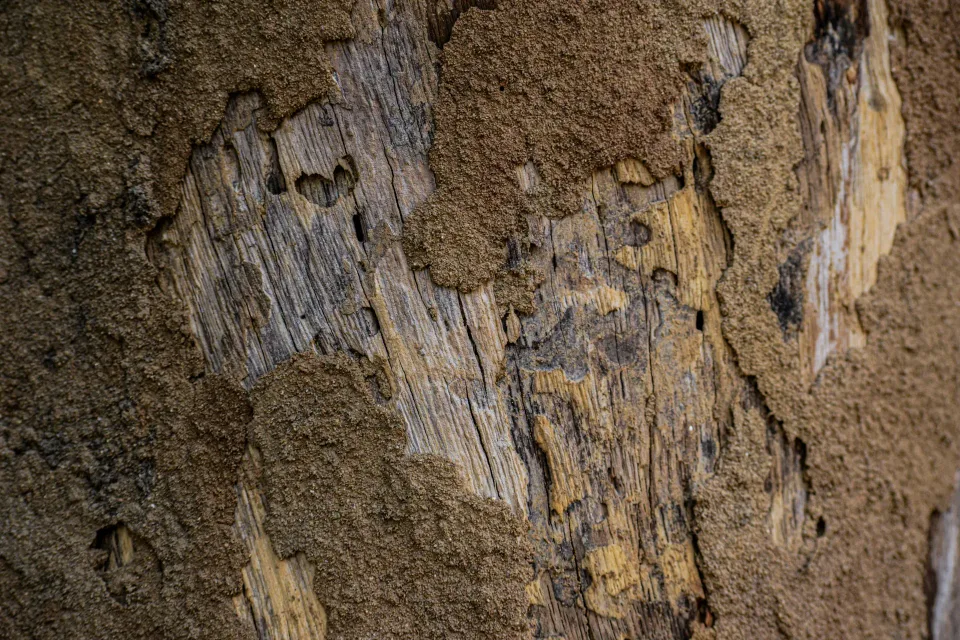
If you find a narrow mud tube climbing a foundation wall, leave it in place and arrange an inspection before disturbing the area. The tube can indicate termite activity, but a closer look is needed to identify what is happening and where treatment may be appropriate.
-
Photograph it: Take a clear picture beside a familiar object for scale, without breaking the tube.
-
Note the location: Record whether it is indoors or outdoors and how close it is to wood.
-
Check nearby areas: Look for additional tubes, damp spots, or visible wood damage without prying into the structure.
Near Liberty Park, Salt Lake City, older properties may have foundation and landscaping details worth noting during an inspection; report the exact wall and any nearby irrigation. Red Butte Garden is a useful local reference for homeowners who want to describe which side of town they are in when arranging service.
Temple Square helps orient citywide coverage, but the important detail is the tube’s location on your own home. Keep it undisturbed until it can be assessed.
What does a mud tube tell you about a foundation?
A mud tube running over concrete or masonry is a reason to investigate, not proof by itself that termites are actively feeding inside the home. Termites can use covered paths to travel between soil and wood while avoiding exposure, so the tube’s position and condition matter. Don’t scrape it off and assume the problem is solved.
At inspection, we look along the foundation and check accessible areas for tubes, damaged wood, and conditions that may support activity. A tube that appears broken or dry still deserves attention; it does not establish that activity has stopped elsewhere.
Near the University of Utah, Salt Lake City, homes on sloped or landscaped lots may have different access around the foundation, so note where the tube begins and ends rather than reporting only that one was found. A flashlight and clear photos help, but they do not replace checking the structure.
Should you break or spray the tube yourself?
No. Leave the tube intact and avoid applying a household pesticide before the source is identified. Breaking it may remove useful evidence, while a surface spray may not reach the activity behind the wall or below grade. We repeatedly see homeowners focus on the visible strip and miss a second route nearby.
You can safely document what you see from an accessible spot: photograph the tube, note the date, and check whether there are other visible signs on the foundation. Do not pull apart trim, probe structural wood, or enter an unsafe crawlspace to investigate.
The Utah State Capitol, Salt Lake City, is a familiar point of reference for arranging service in the city, but access and construction details at your particular property guide the inspection. If a tube is near a doorway, utility penetration, or wood component, mention that when you request an assessment.
When should you call a termite professional?
Call when you find a tube attached to the foundation, especially if it reaches a wood sill, porch, or other structural component. A professional inspection is the next step when activity is suspected because visible signs alone cannot show the full route or extent. Salt Lake City International Airport is another useful coverage reference for homeowners describing their part of the valley, not a substitute for sharing the property address and observed location.
We inspect accessible foundation areas, explain what we find, and discuss a treatment plan suited to the evidence. Termite treatment is not a one-size-fits-all surface application: the structure, soil access, and signs of activity affect the approach.
For an initial comparison, our Termite Treatment service explains how we assess and address termite concerns. Ask what evidence supports the recommended method and what follow-up, if any, is advised.
What should you expect from an inspection?
Expect a focused review of the tube and nearby conditions, with findings explained in plain language. The inspection should distinguish visible evidence from assumptions and identify areas that need closer access. Tell the technician about prior treatments or repairs, and point out any locations you could not safely inspect yourself.
Our crew has spent more than 10 years serving Utah, and we aim to match the plan to the evidence rather than treat every mark the same way. If the finding points to termites, we can discuss the available treatment options and what the work involves.
If the evidence is inconclusive, ask what should be monitored and when another look is useful. For broader reading on home pest signs, visit the Utah Pest Pros Blog.
Which Termite Inspection or Treatment Path Fits?
A visible foundation tube calls for identification first; treatment choices make sense only after inspection clarifies the structure and likely activity.
| Option | Best for | Key detail |
|---|---|---|
| Professional inspection | Tubes on a foundation or uncertain signs | Checks accessible areas and hidden activity beyond what a homeowner can see |
| Termite baiting | Monitoring and addressing colony activity | Bait stations are checked over time; placement and monitoring matter |
| Liquid treatment | Soil treatment where appropriate | Access around the structure and treatment area affect the plan |
A homeowner’s visual check is useful for documenting a tube, not determining the treatment boundary. U.S.
Route 89 through Utah helps orient some regional service requests, while the property itself determines access and scope. Utah Lake State Park, Provo, is a familiar destination for residents describing the broader region; it does not indicate that every property has the same conditions.
Four Corners Monument is far from Salt Lake City, but it can help distinguish a statewide reference from a local inspection request. After snowmelt, exposed ground may make it easier to notice other exterior changes, so include new observations when you schedule.
How Do You Prepare for a Foundation Tube Inspection?
A homeowner spots a mud tube beside damp soil and has a technician scheduled. Keep the evidence visible and make the foundation accessible.
-
Schedule and describe: Share the tube’s location, when you noticed it, and any prior termite treatment.
-
Take photos: Photograph the tube and nearby foundation before the visit; don’t scrape or spray it.
-
Clear access: Move stored items, planters, or other belongings away from the inspection area where practical.
-
Point out moisture: Irrigated landscaping can leave localized moisture near foundations, so show the technician sprinklers, leaks, or persistently wet soil.
-
Ask about next steps: Request a plain-language explanation of findings, proposed treatment, and any follow-up recommendations.
Hill Aerospace Museum, Roy, can help orient a regional service request; Sundance Mountain Resort is another recognizable Utah reference when describing where you are calling from. Ask which areas need to remain accessible during the inspection.
Arrange a Foundation Inspection Before Disturbing the Tube
A mud tube on your foundation is worth an inspection, even if you are unsure whether it is active. Photograph it, leave it intact, and note nearby wood, damp soil, or other signs so the technician can assess the location in context.
Across Utah, desert properties can experience wide day-to-night temperature swings, so don’t assume a finding in one season tells the whole story. Flash flooding can displace ants and rodents, but that does not identify a foundation tube; have the sign evaluated rather than guessing at its cause.
Antelope Island State Park, Arches National Park, Bryce Canyon National Park, and Cedar Breaks National Monument are familiar statewide references, but the next step is specific to your home. Contact Utah Pest Pros to discuss an inspection, or review our Termite Treatment service before scheduling.