When Do Wasps Entering Porch Roof Gaps Need Nest Removal?
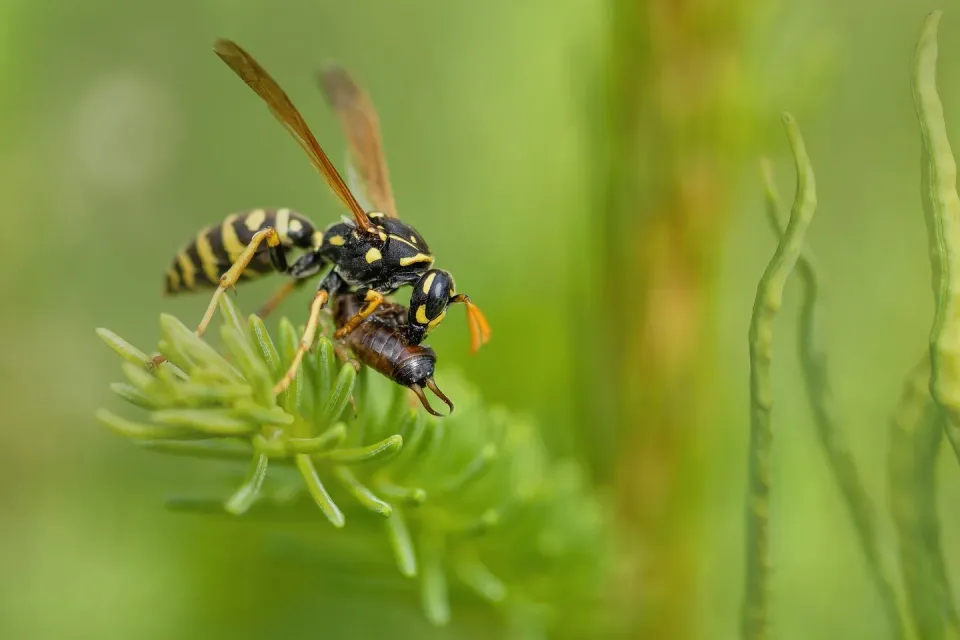
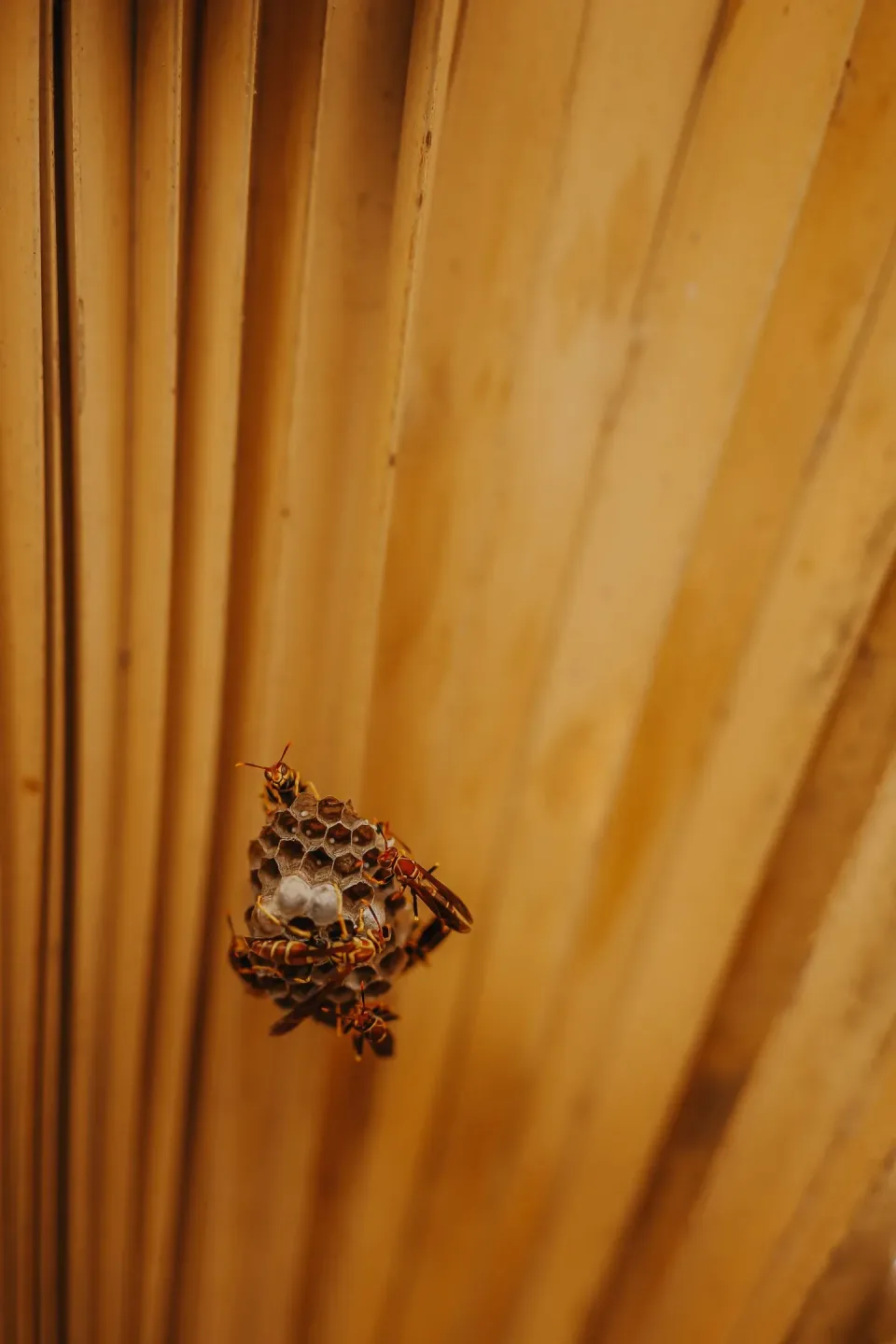
A nest inside a porch roof gap needs professional attention when wasps repeatedly use the opening or people must pass close to it. A single wasp at the eave does not prove there is a nest, so watch for steady traffic entering and leaving the same gap rather than sealing it blindly. Spring warming can increase wasp activity in Utah, and Temple Square in Salt Lake City is a familiar local landmark for grounding that seasonal context.
We hear callers say they need someone to come out and kill the wasps; that usually means they want the active nest located and addressed, not just a quick spray at visible insects. Another caller may be hoping to get help for ants instead, so we clarify the pest before planning any work.
Check the entry point from a safe distance, note how often wasps use it, and ask what the inspection and removal will cover.
What signs point to a nest in the roof gap?
Wasps entering through a porch roof gap deserve attention when traffic repeats at one opening, insects gather under the eave, or activity is close to a doorway or seating area. Do not plug the opening while wasps are using it; trapped insects may find another route into the porch or wall cavity.
From a safe distance, note the exact gap and whether wasps carry material or disappear into it. That observation helps us distinguish a nest entrance from occasional foraging.
In Utah, hot, dry summers can increase indoor water-seeking pest pressure, but that broad seasonal pattern does not identify a wasp nest by itself. The University of Utah is a recognizable Salt Lake City landmark; homeowners across the state should rely on activity at their own roofline, not a landmark or season as a diagnosis.
Does every porch-gap sighting need removal?
No. One wasp passing the porch may be foraging, while steady in-and-out movement at a fixed opening is stronger evidence of an active nest.
Keep people away from the area and avoid testing the gap with a tool, hose, or household spray. A common oversight is treating the visible insects without finding where they enter; activity can continue if the nest remains inside the roof void.
Irrigated landscaping creates localized moisture near foundations, so vegetation and damp areas around a porch can be part of the setting to note during inspection, but moisture alone does not establish a nest. We assess the entry route and access before recommending treatment and removal.
That keeps the plan focused on the actual problem rather than spraying the whole porch without cause.
When should you call a professional instead of DIY?
If wasps are entering a roof cavity, the opening is above a doorway, or reaching it requires a ladder, do not attempt removal yourself. A visible nest in an open, low, isolated spot may seem manageable, but roof gaps hide the nest and make the retreat route less predictable.
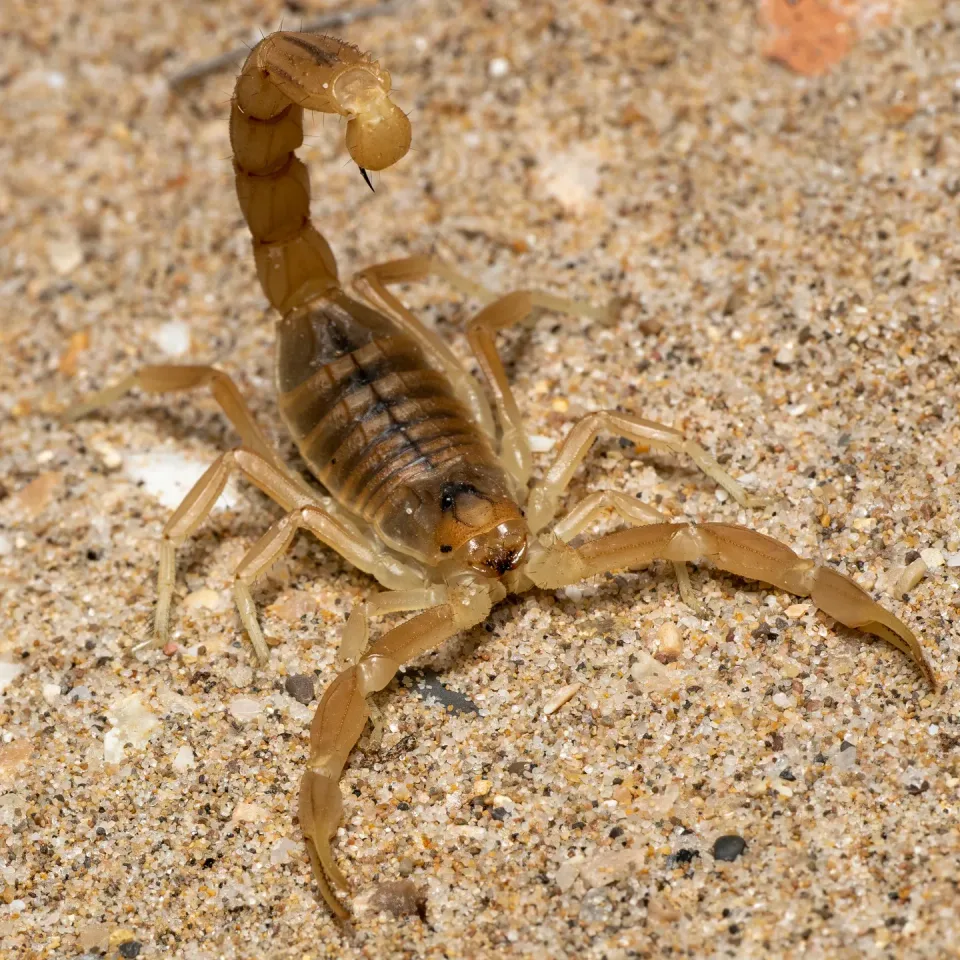
Call a professional when you cannot see the nest, when activity continues after a surface treatment, or when anyone at home may be at risk from a sting. Late-summer heat can push scorpions toward sheltered spaces, which is another reason not to reach blindly into porch voids; it does not mean scorpions are the cause of wasp activity.
We identify the target first, then explain the removal approach and access concerns before work begins.
What does nest location change about removal?
The position of the nest, height of the roof edge, and room to work all affect the safe approach. A nest just behind an accessible trim board is different from one deep inside a sealed roof cavity, where opening materials may be needed to reach it.
We check whether the gap leads into the porch roof or another void and avoid promising that a surface application alone will resolve hidden activity. If a home is near U.S.
Route 89, that road is useful geographic context for Utah homeowners, but it does not change the inspection findings at an individual property. We document what we can see, discuss limitations, and explain whether nest treatment and removal are warranted. For more about the process, read our Wasp Nest Removal service details.
What should homeowners expect from nest removal?
Expect an inspection of the wasp traffic, opening, and accessible roof area before a treatment decision. We explain what we found, whether removal is appropriate, and what work may be needed to reach the nest.
Do not seal the gap immediately after noticing activity; the opening should be addressed at the right point in the plan, once the nest situation has been assessed. If you want to compare signs and next steps later, our Utah Pest Pros Blog has additional homeowner guidance.
We have served Utah for more than 10 years, and our crew works to match the treatment to the pest and the structure rather than relying on a one-size-fits-all spray. Clear access and a careful inspection make the next decision easier.
Which Porch-Gap Wasp Option Fits the Situation?
When wasps repeatedly use one roof opening, the right choice depends on whether the nest is visible, reachable, and confirmed. A visible insect alone is not enough to justify treatment. We begin with species identification so the plan addresses the pest actually present.
| Option | Best for | Key detail |
|---|---|---|
| Observe from a safe distance | Occasional wasp with no repeated entry | Record the gap and activity pattern; do not block it |
| Professional inspection | Repeated traffic disappearing into a roof gap | Checks the entry point and hidden activity before treatment |
| Targeted crack-and-crevice application | Confirmed activity at an accessible gap | Aims product at the specific opening rather than broad surfaces |
| Nest treatment and removal | Located nest with safe access plan | Access and nest position determine the removal approach |
Treatment records should identify the product and treated area, so keep that information with your home records. Interstate 15 through Utah is a familiar route, but the property inspection not travel distance or location alone sets the work plan.
How to Prepare for a Porch-Gap Nest Inspection
Start by noting the opening and wasp activity without standing beneath the eave. Higher-elevation areas receive heavier snowfall, which can make roofline access conditions different from those at lower elevations; let the technician assess safe access rather than climbing to inspect it yourself. Brigham Young University in Provo is a local reference point, but the important detail is the condition of your own porch roof.
-
Describe the activity: Tell us which roof gap the wasps use and when you see them entering or leaving.
-
Keep clear access: Move porch furniture away from the work area while staying clear of the nest entrance.
-
Share site conditions: Mention any previous treatment or repairs around the gap so the inspection can account for them.
-
Allow inspection access: Point out the porch roof and any accessible interior area connected to it.
-
Follow the product label: Keep people away for the labeled reentry period after treatment; Northern Utah winters bring frequent freeze-thaw cycles, so later roof repairs may need to account for changing exterior conditions.
Get a Clear Decision About Porch-Gap Wasps
Repeated wasp traffic into a porch roof opening is a reason to arrange an inspection, especially when the nest is hidden or the entrance is beside a walkway. Do not seal the gap or reach into the roof cavity before the nest has been assessed.
Flash flooding can displace ants and rodents, so after storm conditions, focus your report on the wasps actually using the porch opening rather than assuming another pest is responsible. Hogle Zoo in Salt Lake City is a familiar area landmark; wherever your Utah home is, the entry point and access determine the right next step.
For a calm assessment and clear quote, contact Utah Pest Pros about Wasp Nest Removal.